
Call This Tuesday to Get $50 OFF
Call us today
214-943-2424
Call This Tuesday to Get $50 OFF
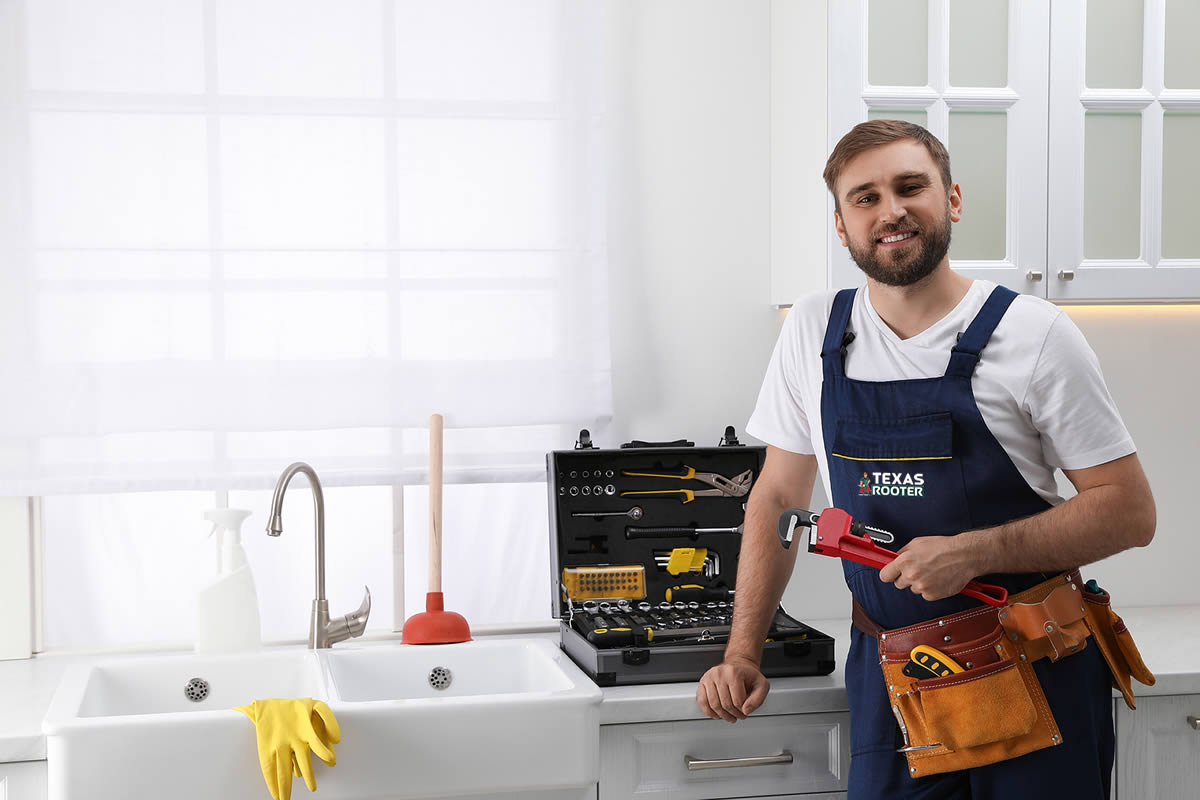
Flooding can happen fast, and when it does, the damage can be overwhelming. In many parts of Texas, heavy rain, sudden storms, and shifting soil can all increase the risk of water entering your home. That’s where sump pumps come in.
Surprisingly, many homeowners have never heard of them or don’t realize how important they are. Even among those who do, many often don’t know how to take care of one. If you want to protect your home and avoid costly repairs, it’s worth learning the basics.
In this brief article brought to you by Texas Rooter, we give you the rundown on what sump pumps are and how you can keep yours in tip-top shape. If you’d rather consult or hire a local plumber, then consider the uniformed pros at Texas Rooter.
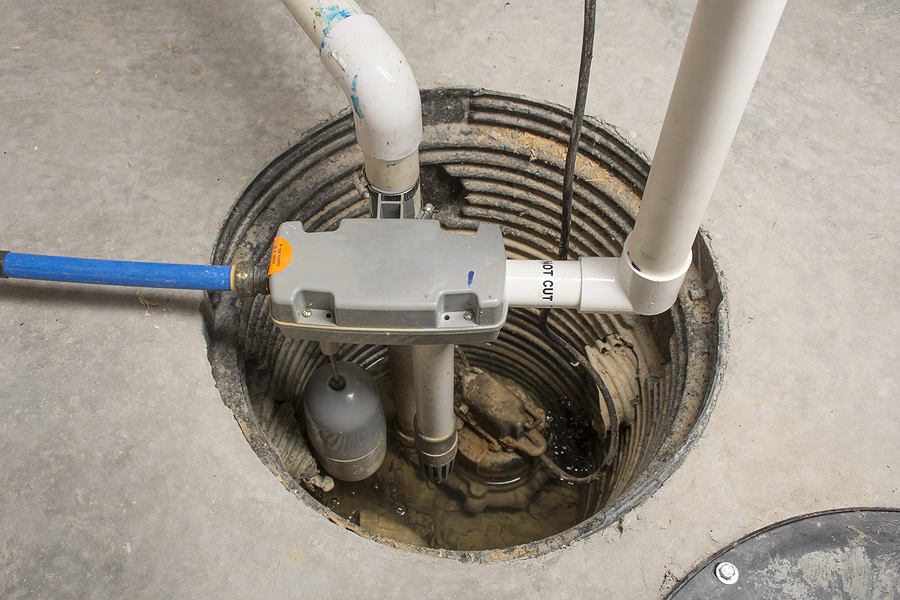
A sump pump is a device that removes water from the lowest part of your home (usually a basement or crawl space). It sits in a small pit, called a sump basin. When water fills the pit beyond a certain level, the pump automatically turns on and moves the water away from your home through a discharge pipe.
This simple device can prevent flooding during heavy rain, water damage to floors and walls, mold and mildew growth, and costly structural damage.
In areas of Texas where storms can hit hard and fast, a sump pump installation can be the difference between a dry home and a major cleanup. The pros at Texas Rooter are proud to be a source for reliable installation services.
We’ve touched on this earlier, but it’s worth drilling home: Texas weather can be unpredictable. Some areas deal with flash floods while others see long periods of rain that saturate the ground. When soil becomes too wet, water can seep into your home’s foundation.
A sump pump helps manage that risk by actively removing water before it builds up. It’s especially useful if your home sits in a low-lying area, you’ve had past flooding issues, and/or your property is prone to moisture problems.
If you’re unsure, it’s worth consult a plumber in Fort Worth, TX. The team at Texas Rooter is always happy to take your call or message.
A sump pump installation is not a set-it-and-forget-it device. Like any piece of equipment, a sump pump needs regular care to work properly for long. The good news is that maintenance is simple and doesn’t take much time.
For a true peace of mind, consider hiring a plumber once per year to perform professional maintenance. A trained technician can spot worn parts, test performance, and make adjustments.
If your sump pump is making strange noises, vibrating, cycling on-and-off, failing to start or stop, and/or visibly corroded or damaged, then contact Texas Rooter for quick and reliable plumbing repair service. Our team is ready to take your call or message today.
Homeowners usually concentrate on conserving electricity use, unaware that even the toilet can contribute significantly…
Read More
The plumbing system is designed to work quietly in the background, helping homeowners to access…
Read More
A leaking shower can keep you up at night and slowly drive you crazy, but…
Read More
It’s easy to find someone who says they can fix a pipe. A quick search…
Read More
Sewer problems are never fun. Whether your home has older cast iron pipes or newer…
Read More