
Call This Wednesday to Get $50 OFF
Call us today
214-943-2424
Call This Wednesday to Get $50 OFF
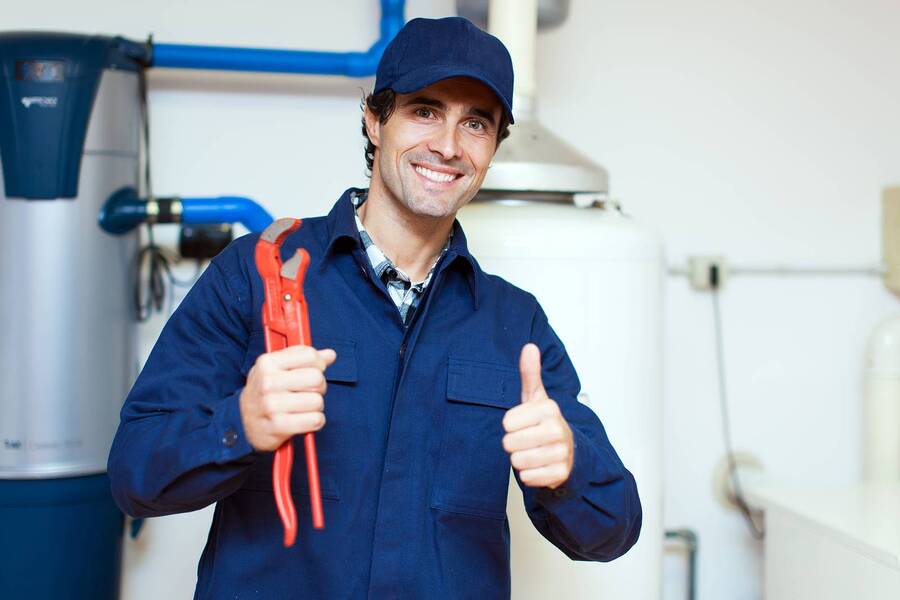
Most homeowners think of water heaters as indoor appliances immune to outdoor conditions. The unit typically sits safely in a garage, basement, or utility closet, after all – right? Not quite. This complacency about water heaters’ vulnerabilities to extreme weather is costly.
Lightning strikes can surge through electrical systems, cold snaps freeze pipes connected to water heaters, storms knock out power, and heat waves stress overworked systems. This isn’t hypothetical. These scenarios play out across the country whenever extreme weather arrives.
The team at Texas Rooter responds to countless emergency calls following severe weather events, and we’ve always got a local plumber in Garland, TX to help, but our mission is to ensure our community has reliable plumbing. To this end, we also share helpful tips.
In this brief article brought to you by Texas Rooter, we highlight how extreme weather threatens water heaters and give our two cents on preventive measures you ought to take. If you need urgent plumbing repair service, feel free to call or message Texas Rooter anytime.
Lightning doesn't need to strike your home directly to damage your water heater. Strikes anywhere along power lines feeding your property can send surges through electrical systems. Heating elements, thermostats, and control boards contain sensitive electronics that catastrophic voltage spikes destroy instantly.
If you’ve got the means, install whole-house surge protection at your electrical panel. These devices guard your entire electrical system by intercepting voltage spikes before they reach appliances. You can also consider point-of-use surge protection directly at your water heater for additional or a budget-friendly defense.
Water heaters themselves tolerate cold temperatures reasonably well since the insulated tanks and internal heat maintain adequate temperatures even in unheated spaces… but the pipes connected to water heaters prove far more vulnerable.
When cold water supply lines freeze, you lose water flow to the heater; When hot water outlet lines freeze, pressure builds inside the tank as the heater continues heating but cannot discharge. Both scenarios create disruption and even catastrophic problems.
The solution is simple: Insulate all exposed pipes near your water heater. Pipe insulation costs nothing compared to the thousands it can save in freeze- and water-damage. Focus on both cold supply lines and hot outlet pipes (both can freeze when temperatures drop sufficiently).
Severe storms threaten water heaters several ways. High winds can damage ventilation pipes for gas water heaters, flooding can submerge units, power outages disable electric heaters entirely and prevent tankless units from operating.
Elevate water heaters above potential flood levels in areas prone to flooding, and install battery backup systems for critical tankless water heaters. Moreover, secure ventilation pipes and ensure proper strapping according to seismic and wind load codes.
Also remember to maintain emergency water heater shut-off procedures. Know where your gas shut-off valve is located and how to operate it, and understand how to kill power to electric units. Shutting down water heaters prevents additional damage from gas leaks or electrical issues.
Perhaps the most important thing to consider is scheduling periodic water heater services. Regular checkups allow professionals to identify small issues before they turn into major problems.
During routine maintenance, our plumber will:
An ounce of prevention is worth more than a pound of cure. Don’t wait for emergencies to come up and force you to arrange an emergency plumbing repair service. Call Texas Rooter to have a plumber bring your water heater up to standard.
The plumbing system is designed to work quietly in the background, helping homeowners to access…
Read More
A leaking shower can keep you up at night and slowly drive you crazy, but…
Read More
It’s easy to find someone who says they can fix a pipe. A quick search…
Read More
Sewer problems are never fun. Whether your home has older cast iron pipes or newer…
Read More
A jammed garbage disposal can throw off your whole day. One minute you’re cleaning up…
Read More