
Call This Saturday to Get $50 OFF
Call us today
214-943-2424
Call This Saturday to Get $50 OFF

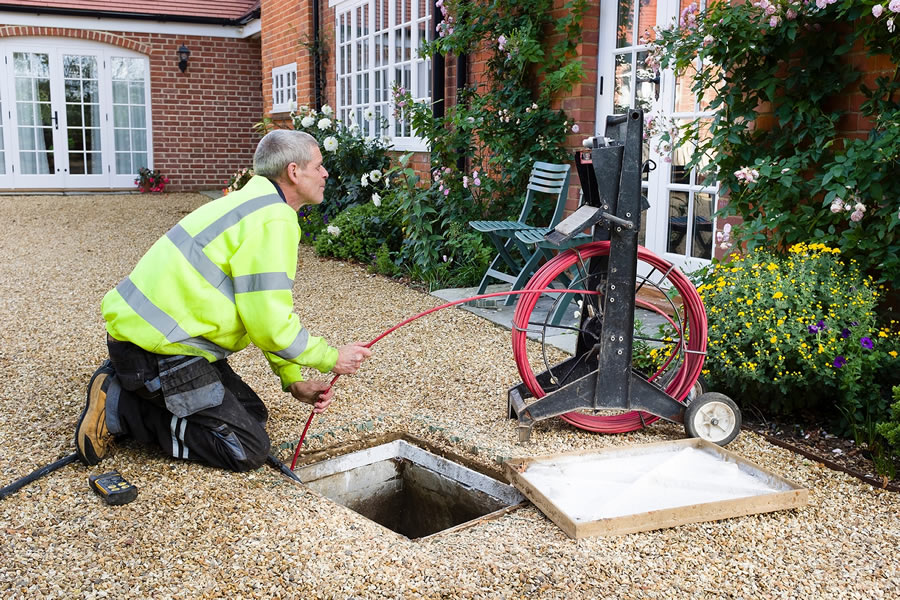
The sewer line is a core part of any habitable property, but they're out of sight and out of mind for most people. This sort of thinking, however, can have you in a panic as you try to figure out what to do when the sinks and tubs start backing up with wastewater and sewage.
This is why we say sewer repair ought to be about prevention and not panic. By acting early, you can save yourself the disruptions and disasters. In this brief article brought to you by Texas Rooter, we explain how prevention gives you control while panic takes it away.
Sewer line failures don't happen overnight. They develop gradually while giving you warning signs along the way. Understanding how these problems progress explains why prevention works so much better than waiting for disaster.
Let’s start with tree roots. Your sewer line carries natural fertilizer (sewage), and this makes it an attractive target for tree roots. Roots find microscopic cracks or gaps at pipe joints, then infiltrate the line. Once inside, they grow and create blockages as well as cause structural damage. This process takes months or years, but it only gets worse.
Then, there’s natural wear and age. Clay pipes become brittle over time, cast iron corrodes from the inside out, and even more durable materials degrade. It’s slow, but inevitable.
We can’t forget about blockages. Grease, soap residue, hair, and "flushable" wipes are just some of the things that stick to pipe walls. Layer by layer, this buildup narrows your sewer line's diameter, and water flows more slowly. The problem compounds until the blockage sends waste and wastewater back up the drains.
Finally, let’s talk about ground movement. Soil settles, freezes and thaws, gets saturated with water, and shifts over time. This constant movement puts stress on rigid sewer pipes. Joints separate, pipes crack, and sections misalign.
All of these have one thing in common: they start small and worsen gradually. Luckily, you have time to catch them if you're paying attention.
The sewer line doesn’t speak our language, but it does communicate. If you’re paying attention, you’ll find that your sewer line tries to tell you when problems are developing. Here's what to watch, and sniff, for:
Ideally, you spot issues long before these warning signs are in your face… but how do you inspect a sewer line that’s buried underground? Well, that’s work for a trained and licensed plumber in The Colony.
Progress in technology has transformed how professionals approach sewer work. Camera inspections allow plumbers to see inside pipes without digging, high-pressure cleaning clears buildup before it hardens into blockages, and trenchless techniques repair or replace damaged sections with minimal disruption.
If you do notice warning signs in between plumbing inspection appointments, then make haste and arrange sewer repair sooner rather than later. Plus, why postpone repairs when Texas Rooter is just a call away at any time of the day?
Whether you’d like a plumber to inspect your plumbing system for vulnerabilities and issues or you need urgent plumbing repair service, the team at Texas Rooter is always ready to help. Call or message us today to speak with a live representative.
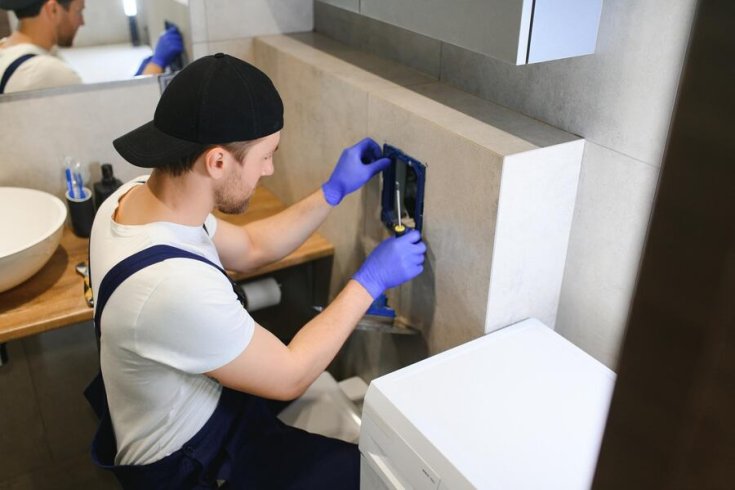
Homeowners usually concentrate on conserving electricity use, unaware that even the toilet can contribute significantly…
Read More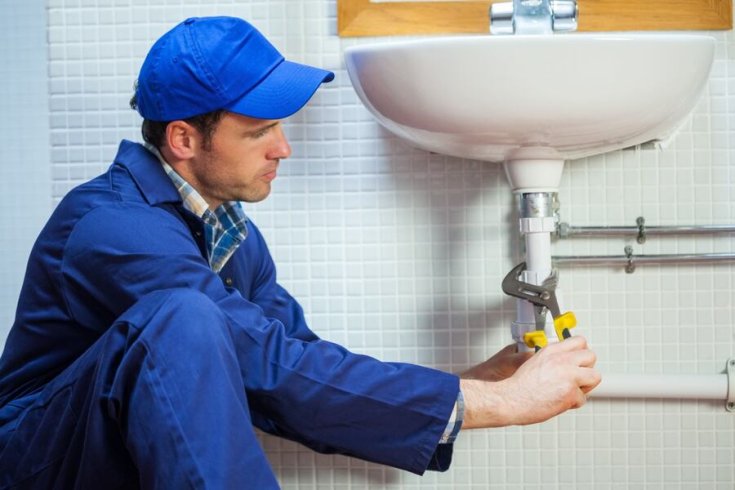
The plumbing system is designed to work quietly in the background, helping homeowners to access…
Read More
A leaking shower can keep you up at night and slowly drive you crazy, but…
Read More
It’s easy to find someone who says they can fix a pipe. A quick search…
Read More
Sewer problems are never fun. Whether your home has older cast iron pipes or newer…
Read More